Japanese Phrases with Meaning: Translation and Reading
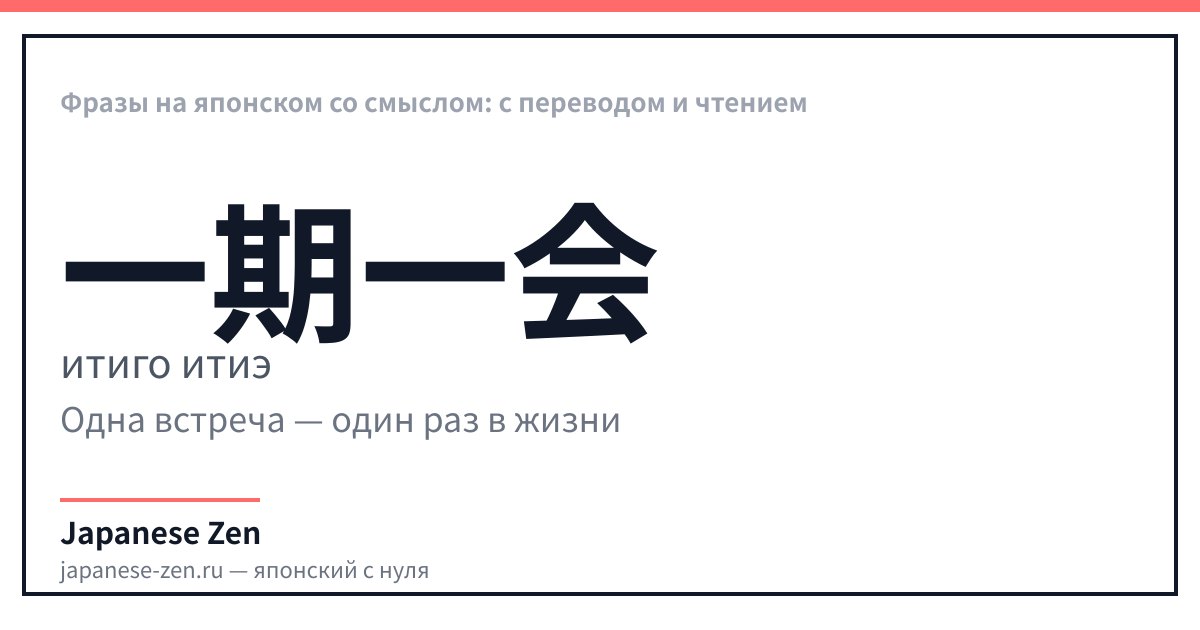
The first Japanese phrase with meaning you should know is 一期一会 (ichigo ichie): 'one encounter, one lifetime' — a reminder to cherish the moment. Alongside it are 七転び八起き (nanakorobi yaoki, 'fall seven times, rise eight') and 諸行無常 (shogyou mujou, 'all is impermanent'). These are not quotes but set expressions that any Japanese person recognizes instantly.
A beautiful Japanese phrase works when it carries an idea, not just a set of characters from a translator. We've gathered expressions that truly live in the language — with literal breakdowns and readings.
Phrases Every Japanese Person Knows
| Japanese | Reading | Translation |
|---|---|---|
| 一期一会 | ichigo ichie · ichigo ichie | One encounter, one lifetime (from the tea ceremony: this moment will never repeat) |
| 七転び八起き | nanakorobi yaoki · nanakorobi yaoki | Fall seven times, rise eight |
| 諸行無常 | shogyō mujō · shogyō mujō | All things are impermanent (Buddhist formula) |
| 初心忘るべからず | shoshin wasuru bekarazu · shoshin wasuru bekarazu | Never forget your initial resolve |
| 花より団子 | hana yori dango · hana yori dango | Dango over flowers (substance over beauty) |
| 石の上にも三年 | ishi no ue nimo sannen · ishi no ue nimo sannen | Even a stone will warm if you sit on it for three years |
What is Yojijukugo
Four-character idioms — 四字熟語 (yojijukugo) — are a distinct layer of the language: 一期一会, 諸行無常, 温故知新. They are dense in meaning and sound weighty, so they are chosen for calligraphy and tattoos. A Japanese person perceives such a phrase as a quote from the classics, not as modern speech.
How to Choose a Phrase Without Mistakes
心 — значение: heart, soul, feeling — онъёми: シン — кунъёми: こころ、-ごころ — 4 штрих(ов). 心 — the character around which half of Japanese expressions about people are built: 初心 (first impulse), 無心 (no-mind), 心得 (understanding of the essence).
- Check the phrase as a whole, not word by word: machine translation produces grammatically correct but lifeless constructions.
- A set expression is stronger than a self-made one: a Japanese person will recognize 一期一会, but 'eternal love forever' will be read as a string of words.
- Length matters: four characters look cohesive, ten look like a line from a translator.
- Mind the register: 諸行無常 sounds bookish and fits calligraphy, but not a photo caption.
- What not to do: don't mix Japanese characters with simplified Chinese — 愛 and 爱 look similar, but they are different systems.
Where These Phrases Are Heard in Life
一期一会 is said at farewell after a good meeting, 七転び八起き when supporting someone after a failure, 初心忘るべからず as a reminder to oneself of the beginning of the path. These are living expressions, not museum pieces, and that's why they work.
FAQ
- What is the most famous Japanese phrase with meaning?
- 一期一会 (ichigo ichie) — 'one encounter, one lifetime'. It comes from the tea ceremony and reminds us to cherish the moment.
- What is yojijukugo?
- Set expressions of four characters: 一期一会, 諸行無常, 温故知新. Dense in meaning, they sound like quotes from the classics.
- Which phrase should I choose for a tattoo?
- A set and short one — four characters. Self-made phrases from a translator are read by Japanese people as a string of words.
- How to check a Japanese phrase?
- Search for it as a whole, not word by word: a set expression has a dictionary entry and usage examples.
Updated: 2026-07-25