47 Ronin — What Happened and How It Ended
The 47 Ronin were vassals of daimyo Asano Naganori who, in 1701–1703, avenged their lord's death and then all committed seppuku. In 1701, Asano wounded official Kira Yoshinaka with his sword right in the shogun's palace and was sentenced to seppuku the same day. His former retainers spent almost two years preparing revenge and in the winter of 1703 stormed Kira's estate.
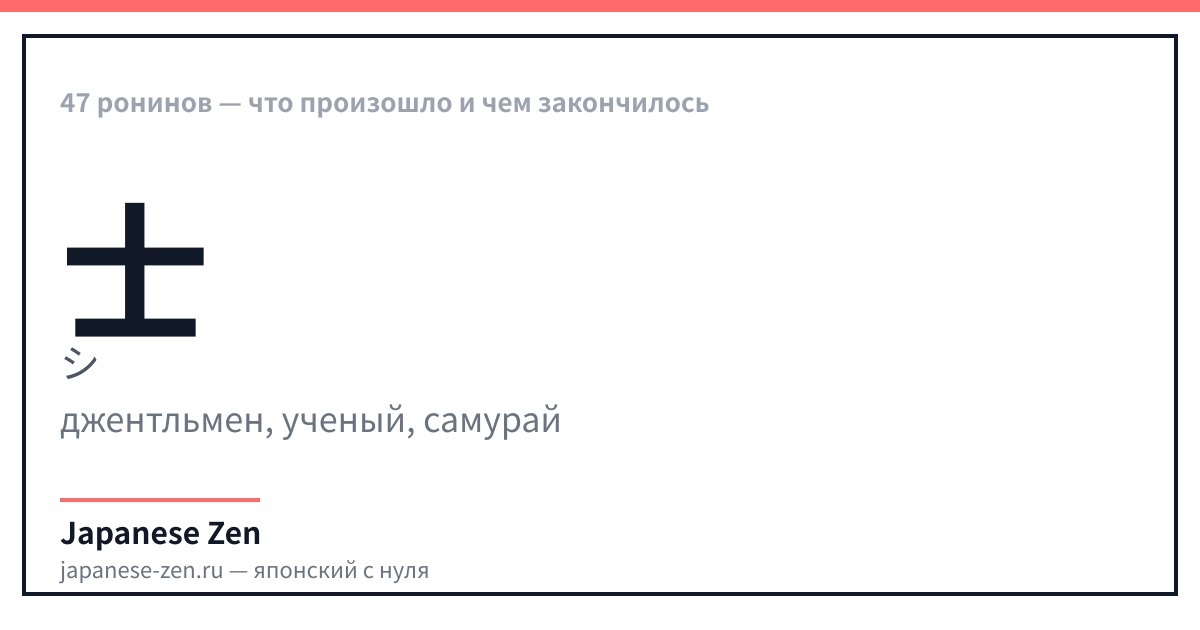
The name sounds like a designation of a social class, but '47 Ronin' is one specific event of 1701–1703, not a general class of masterless warriors.
What Happened: 47 Ronin
In 1701, daimyo Asano Naganori drew his sword and wounded shogunate official Kira Yoshinaka right in the palace — drawing a weapon in the castle was in itself a grave offense. The same day, Asano was ordered to commit seppuku, his domain of Ako was confiscated, and his retainers were left without a lord and without income — they became ronin. Some of the former vassals, led by Oishi Kuranosuke, spent almost two years preparing revenge and in the winter of 1703 stormed Kira's estate in Edo.
- 1701: Asano Naganori wounds Kira Yoshinaka in the shogun's palace — sources describe the cause of the conflict differently.
- The same day, Asano is sentenced to seppuku, the domain of Ako is confiscated, and his retainers are disbanded.
- Oishi Kuranosuke, Asano's former senior samurai, spends almost two years pretending to be a drunkard who has lost interest in revenge, to lull the surveillance.
- In the winter of 1703, a group of Asano's former vassals storms Kira's estate in Edo.
- Kira is found and killed, and his head is taken to Asano's grave at Sengakuji Temple.
- All participants in the raid are sentenced to honorable seppuku — not executed as criminals.
- They are buried at Sengakuji Temple next to their lord — the graves are still preserved today.
Why It Came to This
Sources give different reasons for the exact cause: most often it is said that Kira, as master of ceremonies at the shogun's court, deliberately humiliated Asano with protocol nitpicking. Asano, apparently, could not bear it and violated the main rule of the palace — never draw a weapon under any circumstances.
Who Participated
| Side | Commander | Outcome |
|---|---|---|
| Asano's retainers (47 ronin) | Oishi Kuranosuke | Avengers sentenced to seppuku, buried at Sengakuji |
| Kira's household | Kira Yoshinaka | Killed during the raid on the estate |
| Tokugawa shogunate | Bakufu judges | Recognized the revenge as lawful in spirit but were obliged to punish for taking the law into their own hands |
Name and Kanji: 四十七士
士 — значение: gentleman, scholar, samurai — онъёми: シ — кунъёми: さむらい — 3 штрих(ов). 士 — 'serving man, warrior': the last character in 四十七士, 'forty-seven men'. The same character appears in 武士 (bushi) and 武士道 (way of the warrior).
| Japanese | Reading | Translation |
|---|---|---|
| 四十七士 | shijūshichishi · shijūshichishi | 47 ronin (literally 'forty-seven men') |
| 浪人 | rōnin · rōnin | Masterless samurai |
| 忠臣蔵 | Chūshingura · Chūshingura | 'Treasury of Loyal Retainers' (title of plays and films about this revenge) |
| 切腹 | seppuku · seppuku | Ritual suicide |
| 討ち入り | uchiiri · uchiiri | Raid, attack (this is how the raid on Kira's estate is called) |
What the Japanese Call It
In Japanese, the event is called 四十七士, 'forty-seven men', or more often by the title of plays and films — 忠臣蔵, Chūshingura, 'Treasury of Loyal Retainers'. Some retellings mention the number 46 instead of 47. According to one version, Terasaka Kichiemon left the group after the raid and did not go through with seppuku with the others — so he is not always considered a full participant to the end.
Listen to the words seppuku and ronin — the app will evaluate your pronunciation.
In Film and Theater
The story became 'Chūshingura' — a plot that kabuki theater and then Japanese cinema have replayed more than any other: the count of film adaptations and productions runs into dozens.
- The Hollywood film '47 Ronin' (2013) with Keanu Reeves — added magic and demons that were not in the real story of 1703.
- The classic kabuki play 'Chūshingura' — a stage version of the plot that is still performed and revisited today.
- Dozens of Japanese film and TV versions of the 20th century under the same title 'Chūshingura' — one of the most remade plots in Japanese cinema.
What Was Distorted for the Plot
The 2013 Hollywood version added magic, demons, and a romantic storyline — none of which existed in the real events. Even classic Japanese plays traditionally changed the names of participants to fictional ones: in the Tokugawa era, the shogunate's censorship forbade directly depicting recent political events.
FAQ
- What are the 47 Ronin?
- The retainers of daimyo Asano Naganori, who after his forced seppuku in 1701 spent almost two years preparing revenge and in the winter of 1703 killed the culprit, and then all participants themselves committed seppuku.
- When did the events of the 47 Ronin take place?
- From 1701 to 1703: the conflict and Asano's seppuku happened in 1701, the raid on Kira's estate in the winter of 1703, and the avengers' seppuku shortly after.
- Who participated in the revenge of the 47 Ronin?
- Former vassals of Asano Naganori led by Oishi Kuranosuke — samurai who lost their service after the confiscation of the Ako domain.
- How did the story of the 47 Ronin end?
- All participants in the raid were sentenced to honorable seppuku and buried at Sengakuji Temple next to their lord's grave — these graves are still preserved today.
- What is it called in Japanese?
- 四十七士 (shijūshichishi, 'forty-seven men') or by the title of theatrical productions and films — 忠臣蔵, Chūshingura.
- Why do people sometimes say 46 ronin instead of 47?
- According to one version, one of the group, Terasaka Kichiemon, left the group after the raid and did not commit seppuku with the others — so some retellings count only 46 participants.
Sources
Updated: 2026-08-29