What a Kappa Looks Like
A kappa looks like a small creature about the size of a child: greenish or yellowish-green skin, a turtle shell on its back instead of skin, and webbed hands and feet. Its main feature is the water-filled dish on top of its head: as long as it is full, the kappa keeps its supernatural strength, but once the water spills, it loses almost all of it. Its head shape and limbs are sometimes compared to a monkey's, and it lives in rivers and ponds.
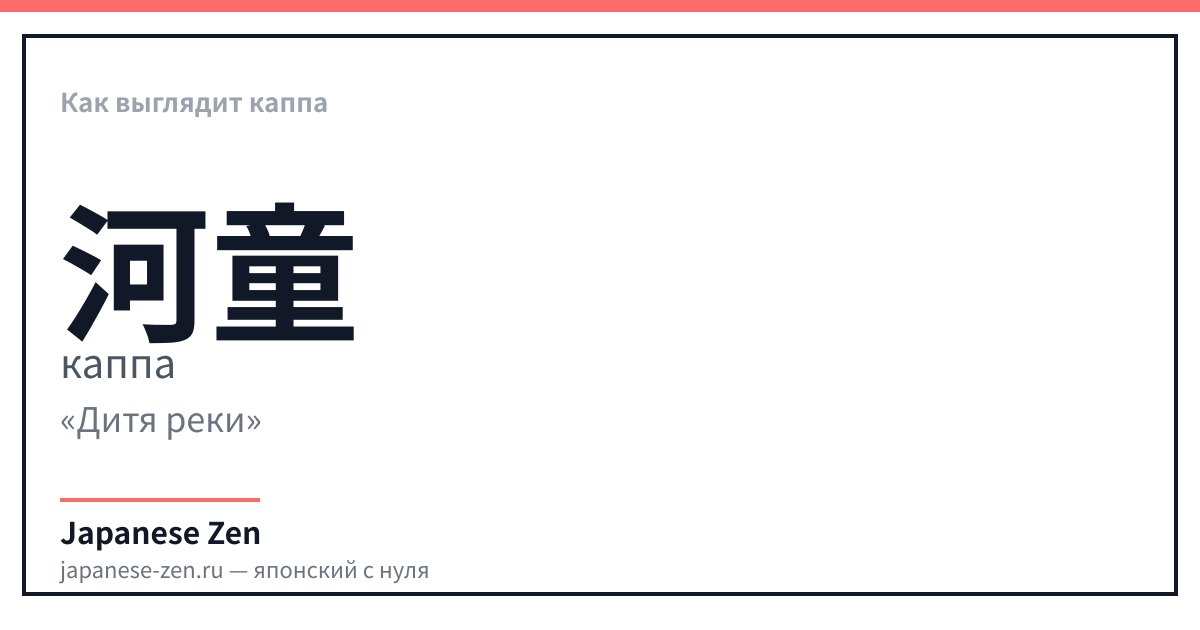
When asked what a kappa looks like, Japanese folklore answers surprisingly practically: it literally has a weak spot visible to the naked eye — if only you can be bothered to bow.
What a Kappa Looks Like: Shell, Dish, and Webbing
The kappa is a water yokai about the size of a five- to seven-year-old child: greenish or yellowish-green skin, a shell on its back resembling a turtle's, and webbing on its hands and feet like a frog's. On top of its head is a noticeable depression, a dish constantly filled with water: this is not just a detail of appearance but the source of its supernatural power. As long as the water in the dish does not spill, the kappa is unnaturally strong physically, even though it is no taller than a child; once the water pours out, the strength disappears almost instantly.
- Skin: greenish or yellowish-green, sometimes compared to the color of a frog.
- Shell: on its back, like a turtle's — hard and noticeably protruding.
- Webbing: between the fingers of both hands and feet — the kappa swims excellently.
- Dish on top of the head: the source of its power, filled with water until the kappa bows or falls.
What Happens If the Water in the Dish Spills
A weakened kappa, according to legends, becomes almost harmless and is even obliged to help whoever outwitted it — hence the classic tale of a traveler who bows to a kappa, forcing it to bow in return and spill the water. From this also comes its reputation as an honest opponent: despite its bad name, a kappa is said to keep its promises if it loses fair and square.
河童 — "River Child": Why a Child
| Japanese | Reading | Translation |
|---|---|---|
| 河童 | kappa · kappa | "River child" |
| 童 | warabe · warabe | Child, kid — the second half of the name |
| 皿 | sara · sara | Dish — the source of the kappa's power |
| 甲羅 | kōra · kōra | Turtle shell |
Why the Trainer Uses the Character 童, Not 河
河童 is read kappa and is made up of 河 "river" and 童 "child" — literally "river child," an even more fitting name given that the kappa is about the size of a child. The second character, 童, also explains another feature: its childlike height is not a coincidence but part of the literal meaning of the name.
童 — значение: child, kid — онъёми: ドウ — кунъёми: わらべ — 12 штрих(ов). 童 — "child, kid": 12 strokes. The same character appears in the second half of the name 河童, and not without reason: even the kappa's height is compared specifically to a child's.
Write 童 along the guides and study the stroke order.
The Kappa Is Confused with the Umibōzu — But They Belong to Different Elements
| Feature | Kappa | Umibōzu |
|---|---|---|
| Where it lives | rivers, ponds, shallow fresh water | open sea |
| Height | about the size of a child | giant, sometimes colossal |
| Weak spot | water in the dish on top of its head | folklore names no clear weak spot |
They are easy to confuse on only one point — both are associated with water, and fishermen fear both — but beyond that everything diverges: the kappa is small, freshwater, and vulnerable through its own dish, while the umibōzu is huge, marine, and has no obvious weakness. For more on the umibōzu, see the separate breakdown.
FAQ
- What does a kappa look like?
- A small creature about the size of a child: greenish skin, a turtle shell on its back, webbing on its hands and feet, and a water-filled dish on top of its head — the source of its power.
- What does the word "kappa" mean?
- 河童 literally means "river child": 河 "river" and 童 "child" — an even more accurate name given that the kappa is about the size of a child.
- What happens if the water in a kappa's dish spills?
- According to legends, the kappa loses almost all of its supernatural strength — hence the classic tale in which a traveler bows to a kappa, forcing it to bow in return and spill the water.
- How does a kappa differ from an umibōzu?
- The kappa is small, freshwater, and vulnerable through the dish on top of its head. The umibōzu is a giant sea spirit with no obvious weak spot. The only thing they share is that both frighten fishermen.
Sources
Updated: 2026-09-09